Fresh air, open seating, and beautifully prepared dishes create a wonderful way to enjoy every meal. Dining outdoors brings a sense of comfort and happiness that makes every gathering feel more meaningful. Gentle breezes, natural light and peaceful surroundings help create a refreshing atmosphere that enhances both flavor and mood.
Reasons Outdoor Dining Feels So Refreshing
- Bright natural surroundings create a calm and welcoming mood
- Open spaces encourage relaxed and enjoyable conversations
- Freshly prepared meals taste even better in pleasant weather
- Comfortable seating areas inspire longer and happier gatherings
- Natural scenery adds warmth and beauty to every dining experience
Outdoor meals often feel more memorable because the environment adds an extra layer of enjoyment. The combination of delicious food and open-air comfort creates moments filled with laughter, relaxation, and positive energy.
Fresh Ingredients Create Better Experiences
Meals prepared with fresh ingredients provide vibrant flavors and satisfying textures. Crisp vegetables, carefully seasoned dishes, and colorful presentations make every plate more appealing.
Benefits of fresh meal preparation include:
- Rich and natural flavors
- Appealing aromas that enhance appetite
- Balanced textures that improve enjoyment
- Bright presentation that creates excitement
- Comfortable dining experiences filled with positivity
Many people appreciate how outdoor dining allows them to slow down and truly enjoy each bite. Peaceful surroundings encourage mindful eating and meaningful conversations.
Pleasant Surroundings Improve Every Meal
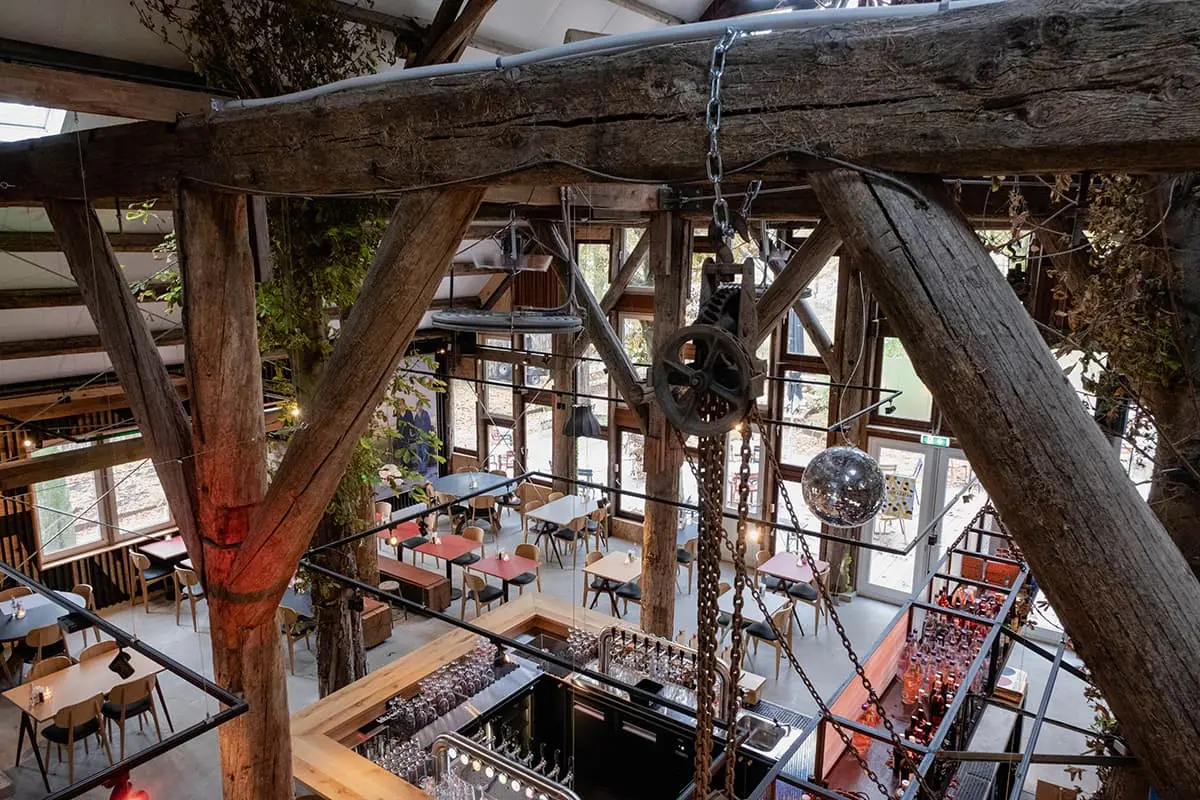
A calm setting can completely transform an ordinary lunch or dinner into a special occasion. Soft sunlight, comfortable seating, and open skies help create an uplifting environment for guests of all ages.
Important features that improve outdoor dining include:
- Spacious seating arrangements
- Relaxing natural light during daytime meals
- Comfortable airflow for refreshing comfort
- Decorative greenery that adds visual beauty
- Peaceful atmosphere that encourages relaxation
Many visitors searching for enjoyable dining inspiration often explore ideas connected with https://www.kastan.nl/uit-eten-hoofddorp while looking for pleasant outdoor meal experiences.
Perfect Moments for Outdoor Gatherings
Outdoor dining works beautifully for many occasions and celebrations. Whether enjoying a quiet meal or gathering with loved ones, open-air settings create a welcoming environment filled with cheerful energy.
Popular occasions for outdoor meals include:
- Relaxed afternoon lunches
- Friendly evening gatherings
- Family celebrations
- Casual weekend dining
- Peaceful solo meal experiences
Fresh surroundings often encourage people to spend more time together, making conversations feel more genuine and enjoyable.
Enjoy Every Bite with Natural Beauty
Dining beneath blue skies creates a refreshing combination of flavor, comfort, and relaxation. Beautiful outdoor settings help transform simple meals into uplifting experiences filled with warmth and positivity. Delicious food, peaceful surroundings, and refreshing open air work together to create memorable moments that guests can appreciate again and again. Outdoor dining continues to bring joy because it combines satisfying meals with calm natural surroundings. Every visit becomes an opportunity to relax, connect with others, and enjoy refreshing flavors in a bright and welcoming atmosphere.

 Forget everything you think you know about graphite processing. For years, the industry has been shackled to a cumbersome, multi-step dance: mine the ore, crush it, mill it, purify it, and then—finally—shape it. Each step bleeds time, energy, and margin. But a quiet revolution is happening on the factory floor, and it’s called direct micronization and spheroidization. This isn’t just an incremental tweak; it’s a full-blown shortcut that turns raw natural